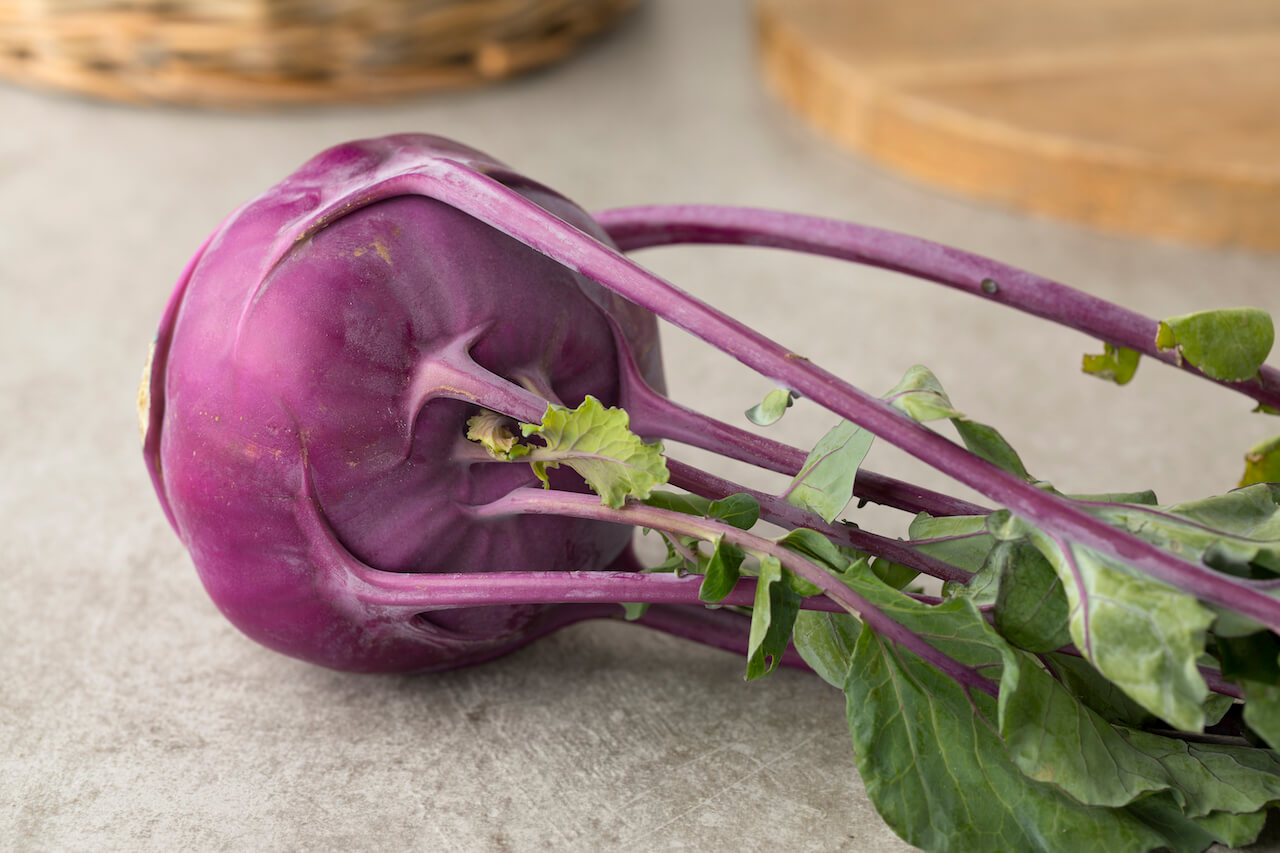
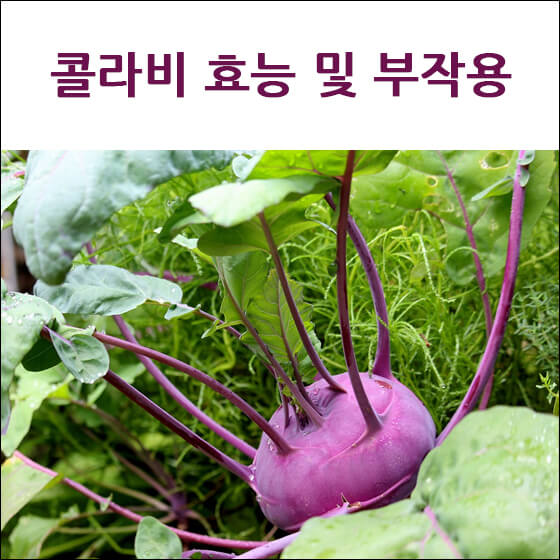
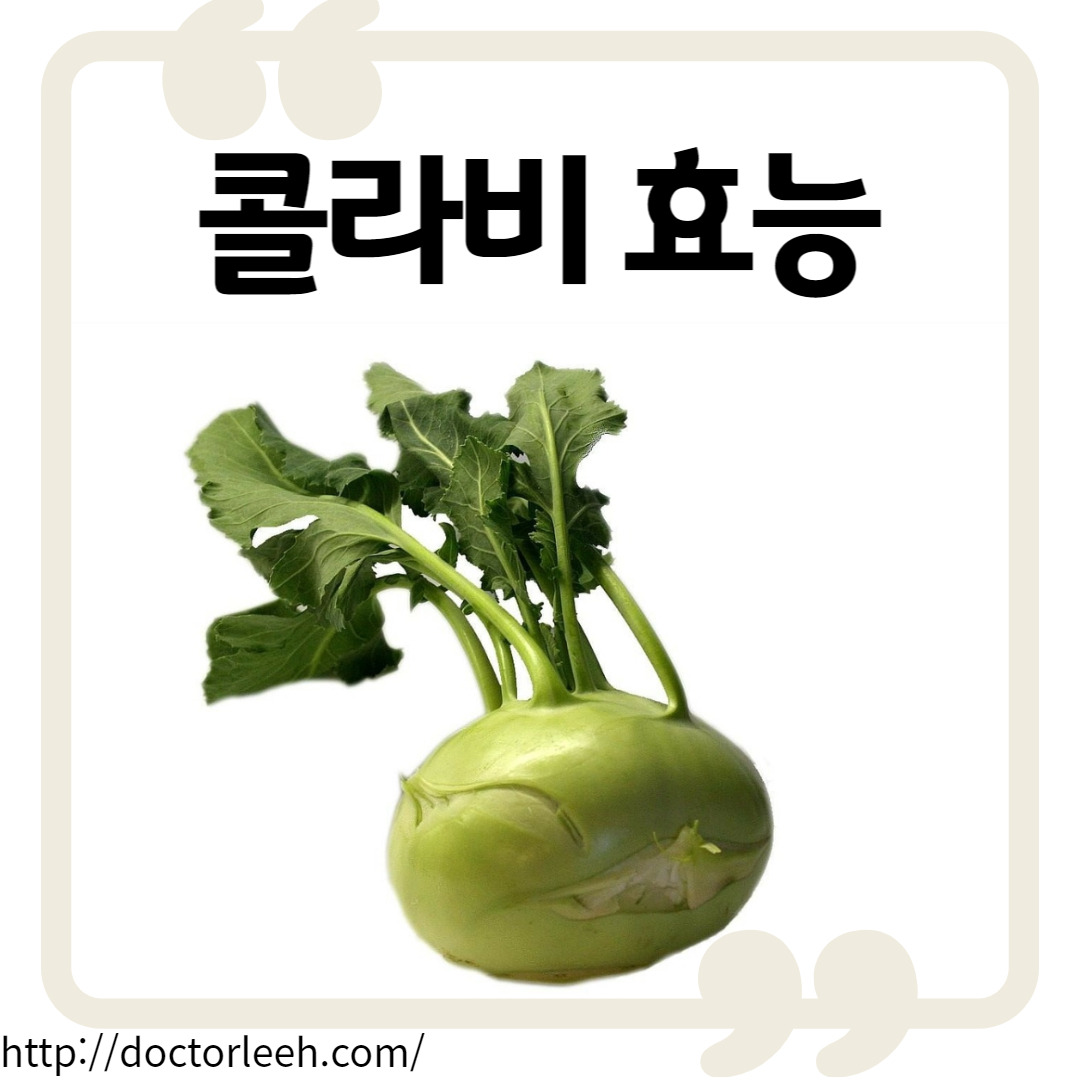
Corabi is a cross-flowered fruit vegetable such as cabbage, broccoli and cauliflower. It has more vitamin C than apples and is a nutritious vegetable with good antioxidant effect. We eat a lot of them raw, but in the West, they are often made with soup or used for cooking such as baking and so on. In this posting, we will look at the efficacy, nutrition and side effects of corabi.

Corabi efficacy, nutritional components, calories, and side effects Source: Pexels
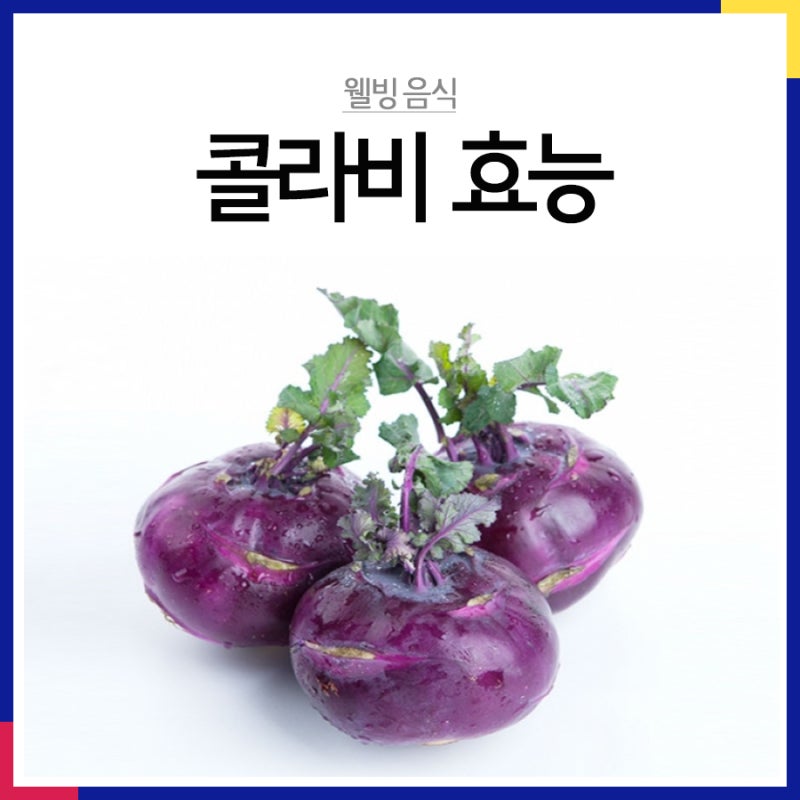
corabi effect
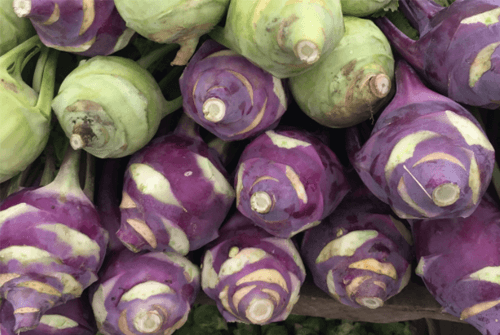
Corabi efficacy 1. Rich in antioxidants
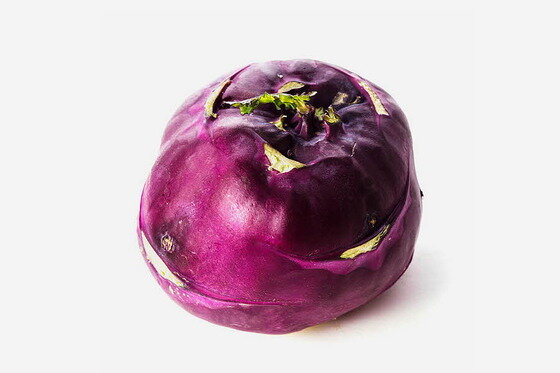
Corabi efficacy, nutritional components, calories, and side effects Source: Pexels
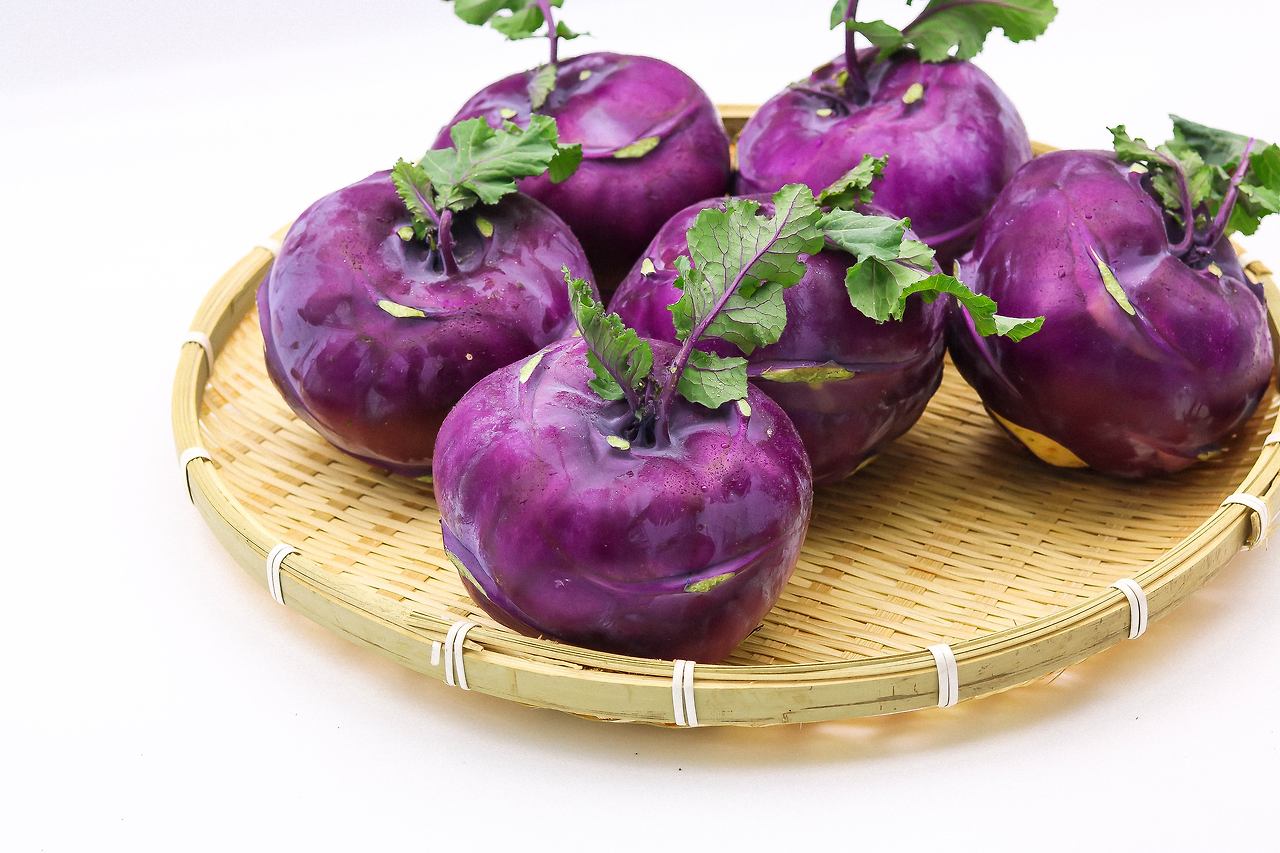
Korabi is rich in vitamin C, anthocyanin, isothiocyanate, and glucosinoate, which are antioxidants that protect cells from radical damage that causes chronic diseases such as diabetes and cancer. The purple skin is rich in anthocyanins, which help reduce the risk of heart disease and improve brain function, and isocyanate and glucosinolate, which are commonly found in all color collabis, are studied to help reduce various types of cancer, heart disease and inflammation.

https://pubmed.ncbi.nlm.nih.gov/, : https://www.ncbi.nlm.nih.gov
Corabi’s efficacy 2. It’s good for digestive health
Corabi efficacy, nutritional components, calories, and side effects Source: Pexels

Collabi is rich in fiber. There are two types of fiber: soluble and insoluble, which help maintain healthy blood sugar and cholesterol levels, while insoluble fiber helps increase stool volume and promote regular defecation as it moves to the colon instead of decomposing in the intestine. Collabi contains both soluble and insoluble fibers. In addition, fiber feeds healthy bacteria in the intestines, and healthy bacteria produce single-chain fatty acids to nourish intestinal cells and help prevent heart disease and obesity.
@+: @+: @+: https://pubmed.ncbi.nlm.nih.gov/ , https://www.ncbi.nlm.nih.gov
Corabi Effect 3. Helps reduce risk of heart disease

Corabi efficacy, nutritional components, calories, and side effects Source: Pexels

Glucosinoates, rich in corabi, are known to help widen blood vessels and reduce inflammation, while isothiocyanate prevents plaque buildup in arteries. In a cohort study of 1,226 women aged 70 and older, it was confirmed that every 10g of cruciferous vegetables added to the diet reduces the risk of death from atherosclerotic vascular disease by 13%. In addition, a paper meta-analysis of 15 studies on fiber rich in corabi confirms that high dietary fiber intake is linked to reduced risk of death from cardiovascular disease and all types of cancer.출처 : https://pubmed.ncbi.nlm.nih.gov/Collaboration effect 4. Helps strengthen immunityCorabi efficacy, nutritional components, calories, and side effects Source: PexelsColabi is also rich in vitamin B6. Vitamin B6 is involved in protein metabolism, erythrocyte development and immune function, but above all, it is involved in immune cell leukocytes and T cell production, which are key to fighting external invaders in our body and building a healthy immune system. It is also rich in vitamin C, which acts as an antioxidant, but vitamin C also helps to support white blood cell function.https://www.ncbi.nlm.nih.gov/, : https://pubmed.ncbi.nlm.nih.gov/COLLABI NUTRITIVE COMPONENT AND CALORIECorabi efficacy, nutritional components, calories, and side effects Source: PexelsColabi contains only 22.0 kcal of calories per cup (100g), but it is rich in vitamins and minerals such as vitamin C, vitamin B6, potassium, magnesium, manganese and folic acid. It is also rich in fiber that helps intestinal health and blood sugar management, as well as antioxidants such as anthocyanin, isothiocyanate and glucosinoate.Content per 100 g of nutrients % calories 22.0 kcal Total dietary fiber 2.4 g 10% Vitamin C62 mg 68.9% Vitamin B 60.15 mg 8.9% potassium 312.0 mg 9% magnesium 14.0 mg 4% manganese 0.12 mg 1% folic acid 12.0 micrograms 3%* We used USDADB for vitamin C and vitamin B6, which are not listed in the DB of the Food Safety Country. collabi side effectColabi is generally considered safe, but it is rich in fiber, so excessive intake can cause abdominal swelling and digestive symptoms such as gas. In addition, if you are allergic to some crossflower plants, you may also experience allergies with corabi. If you are allergic to plants of the cross flower family, you should avoid colabi. What if you’re curious about the efficacy of broccoli, a friend of Colabi?Broccoli is one of the top 10 superfoods in the world. Small vegetables can protect our bodies Cross-flowered fruits and vegetables… blog.naver.comKorabi, what if you’re curious about the cauliflower efficacy of another friend and how to eat it?Cauliflower potency of white broccoli Nutritional ingredients Calories|Rice, Pizza Utilization Cauliflower is famous for its anticancer effects of cross-flower plants. Recently, cauliflower rice fried rice, cauliflower… blog.naver.comKate Davidson, who knows how to know, multitude of the people who know, and in the ケannel, and the metrobinian, and the metropolitan area of the 2016 and alibiyaom、Tmoleosis、Adiposity,intestinal microbial plexus and foei, DIAGNOSITION OF THE SAME, DIAGNOSITION, AND DIAGNOSITORYCYCYLOR, AND MEMfiber intake and death rate: AZhangin-related cohort study (16), and vitamin B6 deficiency, and vitamin B6 (Didia) and vitamin B6 deficiency of vitamin B6 (Didia